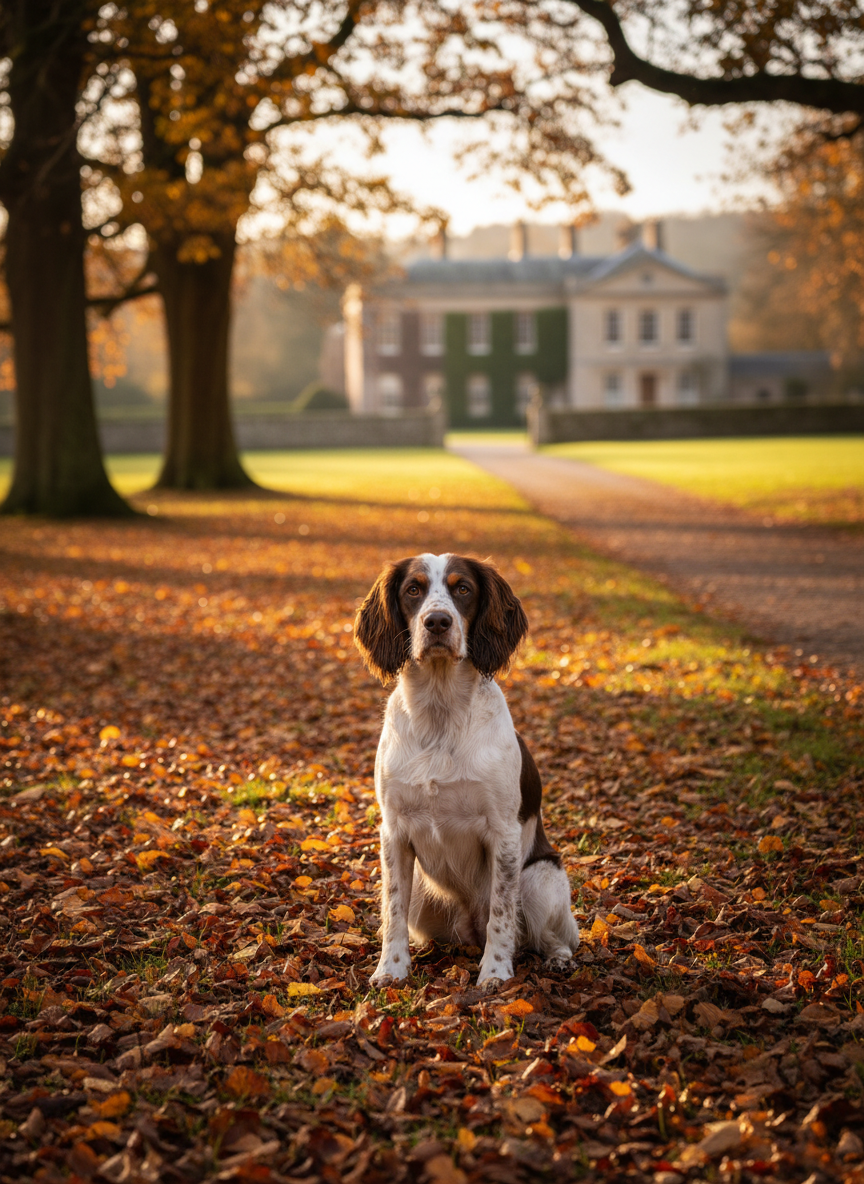
Breed offers a useful starting point, but a lasting match depends on the individual dog. Consider temperament, daily rhythm, experience and support before choosing your companion.
Beyond the Breed: Choosing a Companion by Temperament and Lifestyle
A breed can suggest the qualities a dog may bring to a household. It cannot tell you, on its own, how a particular dog will feel about a busy kitchen, a long country walk, a quiet afternoon or the arrival of visitors. The most enduring matches are made by looking beyond a breed label and considering the character of the individual dog alongside the life the family can genuinely offer.
This is not an argument against breed. Breed history, size, coat, energy and commonly observed traits all deserve consideration. Rather, these details form the beginning of a conversation, not its conclusion. A thoughtful choice asks a more personal question: what kind of companion will feel at ease in this home, and what kind of home will help that dog flourish?
Begin with the rhythm of ordinary life
It is tempting to picture a dog in the most beautiful moments: a walk through the countryside, a child reading beside them, a weekend spent outdoors. The more revealing picture is an ordinary Tuesday. Who will be home during the day? How much time is available for walks, grooming and training? Are there stairs, a garden, frequent visitors, other animals or long periods when the dog will be alone?
A household with a lively schedule may value a dog who can settle comfortably after activity. A quieter home may welcome a companion who enjoys gentle exploration and close company. Neither arrangement is inherently better. The right fit is one in which the dog’s needs can be met consistently, not only when everyone has an unusually free afternoon.
Ask about the individual, not just the pedigree
When meeting a prospective companion, learn how they behave across different situations. How do they respond to new people, household sounds and changes in routine? Can they rest when the environment is calm? How do they recover after a surprise? What motivates them, and what helps them feel secure? A single meeting offers a snapshot, so careful, specific information from people who know the dog over time is especially valuable.
Temperament should be described with nuance. “Friendly” might mean eager to greet everyone, or simply comfortable once introduced. “Calm” does not mean a dog has no need for exercise or engagement. Ask for examples: what happens when the doorbell rings, when a visitor sits down, or when the dog is asked to wait? Concrete observations are more useful than a list of attractive adjectives.
Consider the whole family
Children can form wonderful bonds with dogs, but the adults remain responsible for supervision, routines and training. Consider the ages and activity levels of children, whether they have learned to give a dog space, and how the household will protect rest and mealtimes. If there are other pets, ask how introductions will be managed and whether the dog has relevant experience. Every relationship is individual, and introductions should be gradual and carefully supervised.
A dog should not be chosen to solve a child’s loneliness, motivate a family to exercise, or serve as an untrained guardian. Companionship can enrich family life, but it also brings daily work and long-term responsibility. The best decision is one the adults would still make even if the novelty fades and the children’s interests change.
Match energy and care requirements honestly
Energy is not simply a matter of choosing “active” or “easy”. A dog may enjoy a purposeful walk but also need help settling afterwards. Another may be content with gentler outings while still relishing training and scent games. Ask what activity has been part of the dog’s established routine and how they behave when that routine changes.
Coat care, size and health needs matter as well. A beautiful coat may require regular brushing and professional grooming. A large dog needs space to move safely and may be more challenging to transport. Discuss veterinary history and expected care openly, and consult a veterinarian about health questions. Responsible matching includes practical realities as well as affection.
What a pre-trained companion can and cannot offer
A pre-trained dog may arrive with helpful foundations such as lead manners, house routines or familiar cues. These skills can make the transition more straightforward, but they do not remove the need for a relationship to form. The dog must learn your household, and you must learn the dog’s signals, preferences and training language. A clear handover and ongoing support make that process far more harmonious.
Ask exactly what “pre-trained” means in practice. Which behaviours have been taught? In what settings? What support follows placement? How are the dog’s individual needs assessed? A reputable programme should welcome thoughtful questions and explain both the strengths and the limits of the dog’s current training. No dog should be presented as a finished, interchangeable product.
Give the decision time
A considered match is rarely made well under pressure. Meet the dog more than once where possible, include the people who will share responsibility, and discuss the practical questions before emotion decides for you. Notice whether you feel able to meet the dog’s needs, not only whether you are captivated by them. Trustworthy guidance will help you think clearly rather than hurry you.
When temperament, daily rhythm and care expectations align, the result is not merely a dog who fits the house. It is a companion whose presence feels natural within the life you already lead, and a household prepared to make space for theirs. That is the quiet foundation of a lasting relationship.
Begin the Conversation
If this resonated, we would be delighted to discuss our available dogs, training levels, and how a Manor & Hound companion might fit into your family's life. Each placement begins with a private consultation.